Halal Living in the West: Holding On to Faith Without Withdrawing From the World
Living as a Muslim in the West often means learning how to move through two worlds at once.
You may be building a career, raising children, studying, or trying to create a stable future — all while quietly carrying the responsibility of protecting your faith in environments that do not always make that easy. For many Muslims, this tension is deeply familiar. It appears in small daily decisions: what to eat, how to earn, how to raise children, how to stay spiritually grounded when life moves fast and the surrounding culture pulls in another direction.
Yet halal living was never meant to be reduced to a checklist of restrictions. At its heart, it is a way of living with intention. It is about aligning ordinary life with faith — not perfectly, but sincerely and consistently.
And while living in Western societies comes with real challenges, it also offers opportunities: freedom to practice religion openly, access to education and community, and the chance to represent Islam with wisdom, dignity, and balance.
The goal is not isolation from society, nor blind assimilation into it. The goal is learning how to live faithfully within the reality we inhabit.
Halal Living Is More Than Food
When people hear the word “halal,” food is usually the first thing that comes to mind. But Islam approaches halal as something much broader and deeper.
Halal living touches every part of life: how we earn money, how we speak to people, how we treat family, how we dress, how we manage desires, and how we remain conscious of Allah in public and private life alike.
The Qur’an reminds believers to seek what is both lawful and wholesome — not only technically permissible, but pure, ethical, and beneficial.
That understanding changes the conversation entirely. Halal living is not simply about avoiding the forbidden. It is about building a life rooted in integrity, discipline, mercy, and spiritual awareness.
The Real Challenges Muslims Face in the West
1. Finding Truly Halal Food Isn’t Always Simple
For many Muslims, food becomes the first daily negotiation with modern life.
In large cities, halal options may be easier to find. In smaller towns or less diverse areas, things become more complicated. Ingredient labels can be unclear. Cross-contamination happens regularly. Alcohol derivatives, gelatin, enzymes, and hidden additives often raise questions most people around you never have to think about.
Even “safe-looking” products can require research and caution.
Over time, constantly checking, questioning, and verifying can become mentally exhausting — especially for families trying to balance convenience, affordability, and religious commitment.
Practical ways to navigate it
Buy from trusted halal suppliers whenever possible
Learn how to read ingredient labels carefully
Use reliable halal certification apps and databases
Keep simple fallback options available at home
When certainty is difficult, choose what gives you peace of mind
Halal living is not built on paranoia. It is built on sincerity, effort, and mindfulness.
2. Navigating Financial Life Without Compromising Values
Modern financial systems are deeply tied to interest-based structures. Mortgages, student loans, credit cards, and even basic banking services can place Muslims in difficult ethical situations.
For many families, the challenge is not theoretical. It is deeply personal.
How do you build stability without compromising your principles? How do you plan for the future when many “normal” financial tools conflict with Islamic teachings?
These questions rarely have simple answers.
Islamic finance options have grown in many Western countries, but access still varies widely depending on location and income level. Even where alternatives exist, they are not always affordable or straightforward.
A balanced approach matters
Explore Islamic banking and financing options where available
Reduce unnecessary debt whenever possible
Seek trustworthy scholarly guidance for complex situations
Make decisions with honesty, humility, and awareness of your circumstances
Islam recognizes human limitations. Faithfulness is not about pretending life is simple. It is about trying to move toward what is right, even imperfectly.
3. Raising Children With Faith and Confidence
For many parents, this is the heaviest concern of all.
Children growing up in Western societies are constantly shaped by school culture, entertainment, social media, peer pressure, and wider social values. Parents often worry less about isolated influences and more about the slow drift that can happen over time — when faith becomes distant, unfamiliar, or emotionally disconnected from everyday life.
Many young Muslims struggle with questions of identity and belonging:
Who am I?
Where do I fit?
Can I fully belong without giving parts of myself away?
These are not small questions.
What helps most is often consistency, not control
Children usually respond more deeply to lived examples than lectures.
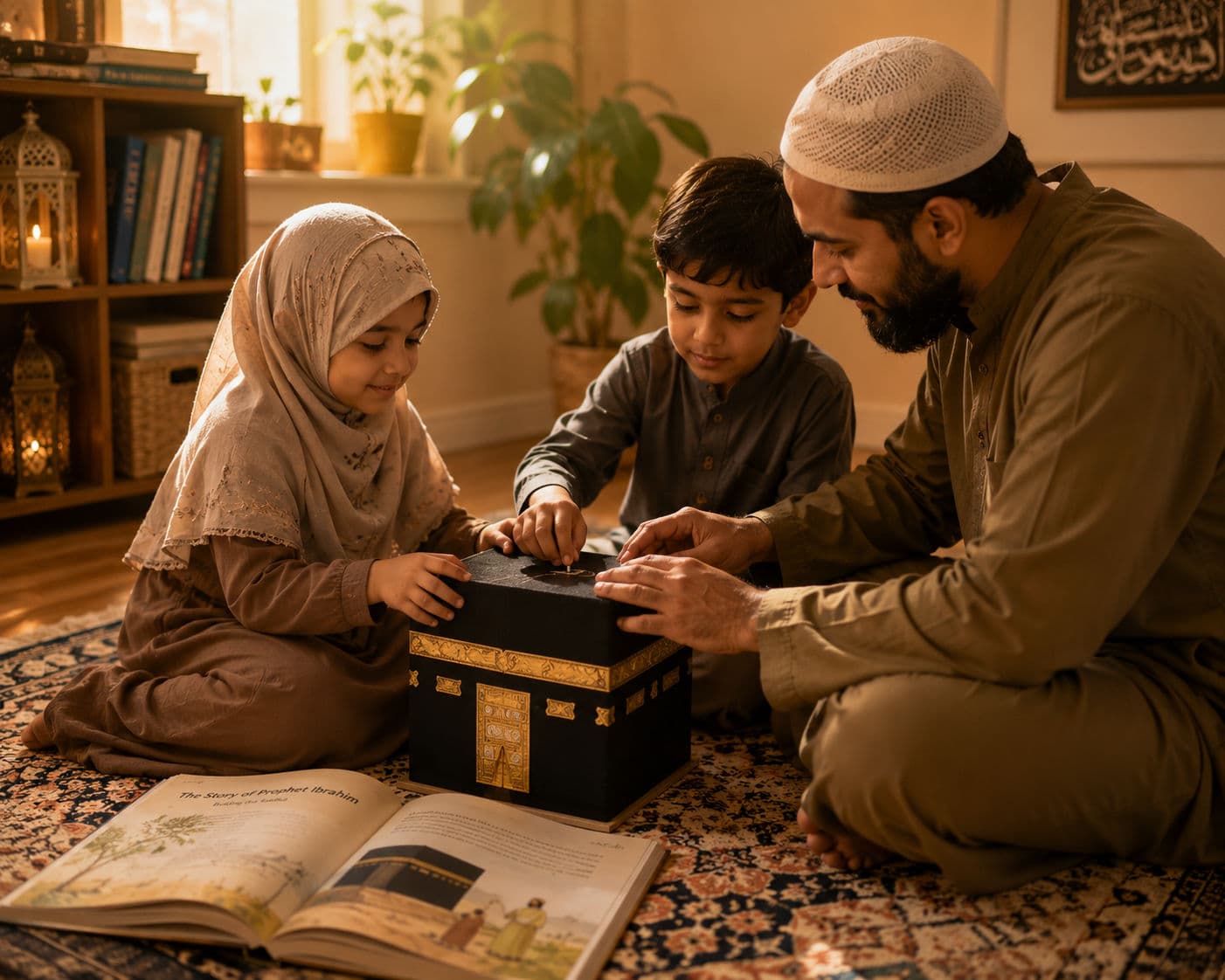
A home where prayer is normal, kindness is visible, Qur’an is present, and conversations are open often leaves a stronger impression than constant rule enforcement.
Helpful foundations include:
Building strong family relationships
Teaching Islam with warmth and clarity
Encouraging honest conversations about identity and doubt
Connecting children to positive Muslim friendships and mentors
Helping them understand faith intellectually and emotionally — not just culturally
Children who understand the “why” behind Islam are often more resilient than those who only inherit the “what.”
4. Modesty in a Culture That Often Misunderstands It
Modesty can feel deeply countercultural in many Western environments.
For Muslim women, hijab may bring unwanted attention, assumptions, or workplace discrimination. For men and women alike, Islamic boundaries around relationships, behavior, and self-presentation can sometimes feel isolating in social settings where different norms dominate.
The pressure is not always aggressive. Sometimes it is subtle — the quiet feeling of always needing to explain yourself.
Over time, that pressure can wear people down.
But modesty in Islam was never meant to erase personality or confidence. It is meant to protect dignity, self-respect, and inner clarity.
People who carry their values with calm confidence often challenge stereotypes more effectively than arguments ever could.
5. Staying Spiritually Grounded in Fast-Paced Environments
One of the quietest struggles Muslims face is consistency.
Work schedules, long commutes, social obligations, and nonstop digital distraction can slowly weaken spiritual routines. Prayer becomes rushed. Qur’an becomes occasional. Community becomes distant.
Faith rarely disappears overnight. More often, it fades through neglect.
That is why small habits matter.
Simple practices can make a major difference
Setting prayer reminders throughout the day
Creating a dedicated prayer space at home or work
Attending the mosque regularly, even if not constantly
Keeping a small daily connection with Qur’an, however brief
Protecting moments of silence and reflection
In Islam, consistency carries immense weight. Small acts done sincerely and regularly shape the heart over time.
6. Belonging Without Losing Yourself
Many Muslims in the West live with a quiet tension between integration and preservation.
On one side is the fear of becoming disconnected from wider society. On the other is the fear of slowly losing religious identity altogether.
Healthy integration does not require abandoning faith. And preserving faith does not require withdrawing from society.
In fact, Muslims have historically contributed to diverse societies through service, ethics, knowledge, family values, and community building. The challenge today is learning how to participate confidently without feeling pressured to dilute belief for acceptance.
A confident Muslim identity is not defensive or angry. It is grounded, thoughtful, and secure enough to engage with the world without being consumed by it.
Building a Balanced Muslim Life in the Modern World
Islam was never designed for one era, one culture, or one geography.
Its principles remain relevant because they speak to human nature itself: the need for meaning, discipline, compassion, family, justice, and spiritual purpose.
Modern life brings new questions, but the foundation remains the same.
The answer is not perfection. It is conscious living.
Choosing halal in everyday life — whether in food, finances, parenting, work, or relationships — is ultimately about trying to live with integrity in a complicated world.
And that effort matters.
Final Reflection
Living halal in the West is not always easy. Some days it feels exhausting. Some choices feel lonely. Some struggles are invisible to everyone except the person carrying them.
But there is also beauty in choosing faith deliberately.
There is strength in building a home shaped by values. There is dignity in remaining principled without becoming harsh. There is something deeply powerful about staying connected to Allah while fully participating in modern society.
Halal living is not about restriction for the sake of restriction.
It is about living with purpose, clarity, and remembrance — even in a world that constantly asks you to forget who you are.